
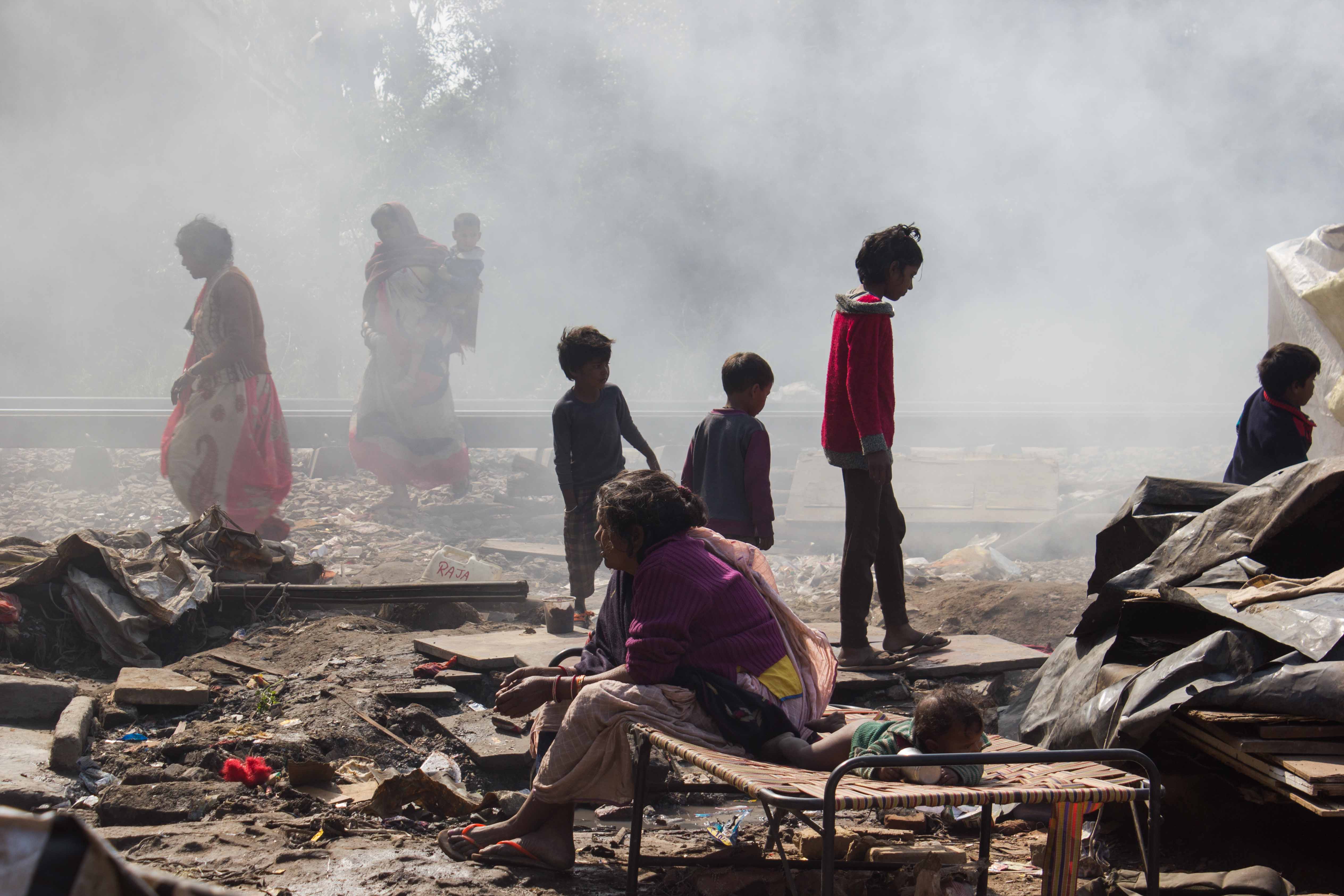
Amidst the bustling pace of privileged life in the National Capital Territory, we somehow ignore the whereabouts of a large number of those who are less fortunate. This is the story of a hundred families struggling to procure their basic means of survival under the Safdarjung Aerodrome Flyover. The place is just five minutes-walk away from the Jorbagh metro Station towards the Safdarjung Airport. Thousands of cars pass by them every day, but in some way or the other, all of them fail to recognize their state of despair. We do not blame them. You know why? Because we know it is always easier for those who waste food to have a critical point of view on the deplorable conditions of the poor of this country who are struggling to get one square-meal a day. We too are not an exception to this.
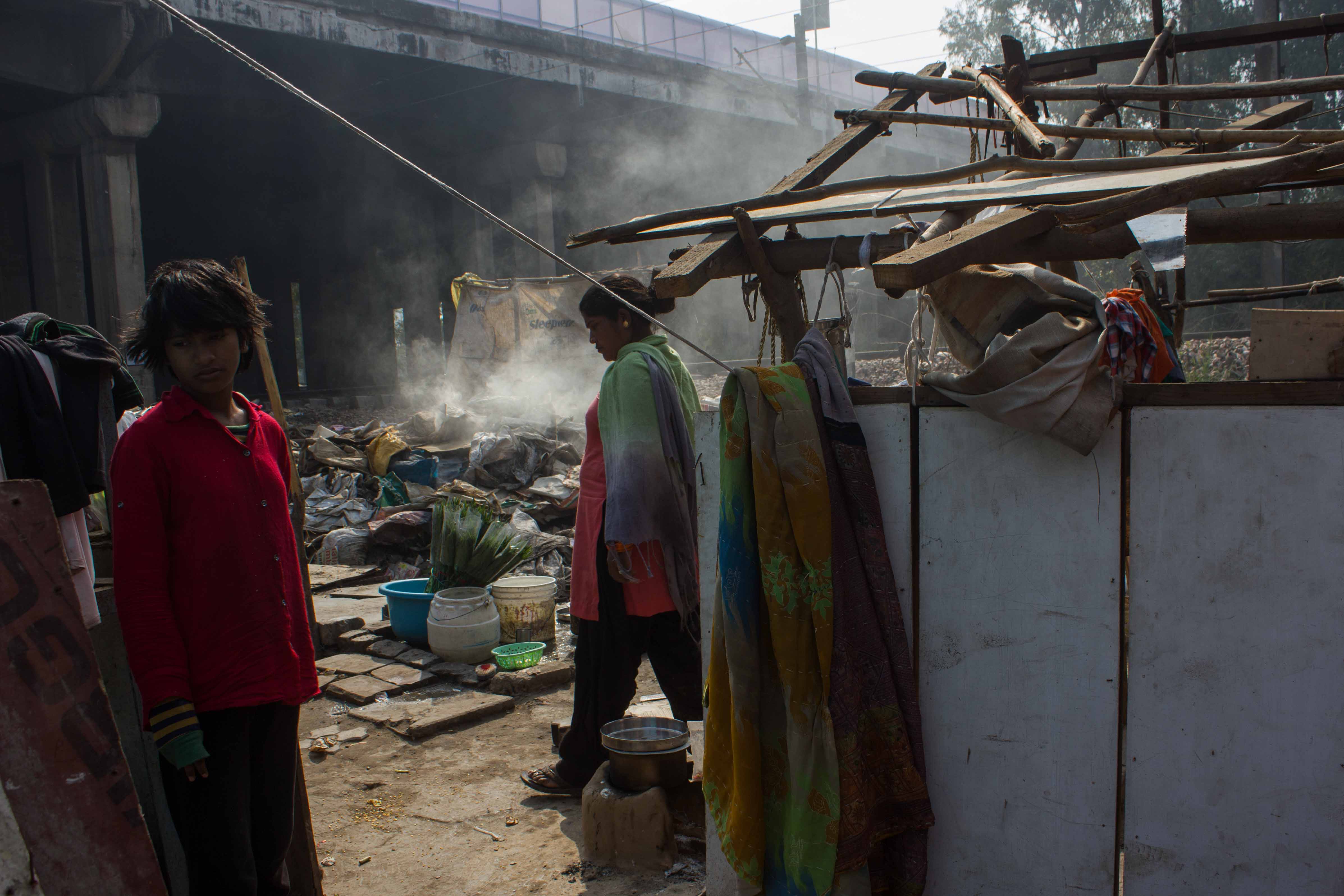
The protagonist of this story is the structural inequality of our “beloved” country. Those six hundred people living in that slum under the flyover are mere victims of the former. These people used to live in a permanent settlement nearby for the past thirty years. The majority of the populace made ropes of some kind and used to sell them in the market to earn their bread and butter. But their income drastically decreased as they could no longer sell their products to the extent that they used to for the last few years. Adding to their plight was a sudden oral notice of de-settlement (displacement without re-settlement) delivered by a government agent a day before the bulldozers arrived.

The notice which said that their homes were an encroachment upon the government’s railway expansion project, was to change their lives forever. Their settlement-cum-workplace was razed to the ground and shattered into pieces within hours, so were their voiceless emotions. “Bhauji, meri maa ki aakhri saanso aur meri guriya ki sunheri bachpan ki yaadon se saji thi voh ghar. Abhi un yaadon se kaise pichha chhudaye?”, said Rakesh wiping his tears, a man living in the settlement or jhuggi (as they call it) and a victim of immoral and inhumane attitude of the concerned authorities.
The shanty slum they live in right now is completely inhabitable by people like you and me. A railway line running on one side and a highway on the other, roofless huts, a couple of kaccha (open) toilets, drinking water with grease floating on the top, a piece of dirty cloth to stop the menstrual blood, and a bunch of green chillies complementing their half-cooked paranthas in the best way possible. Although langars were set up in the initial days of their de-settlement, they were not sustained for long. On conducting a survey of the affected area, we found out that fever-common cold and stomach ailments coupled with a severe fungal infection are predominant amongst the people, which is not very surprising keeping in mind the circumstances they are exposed to.

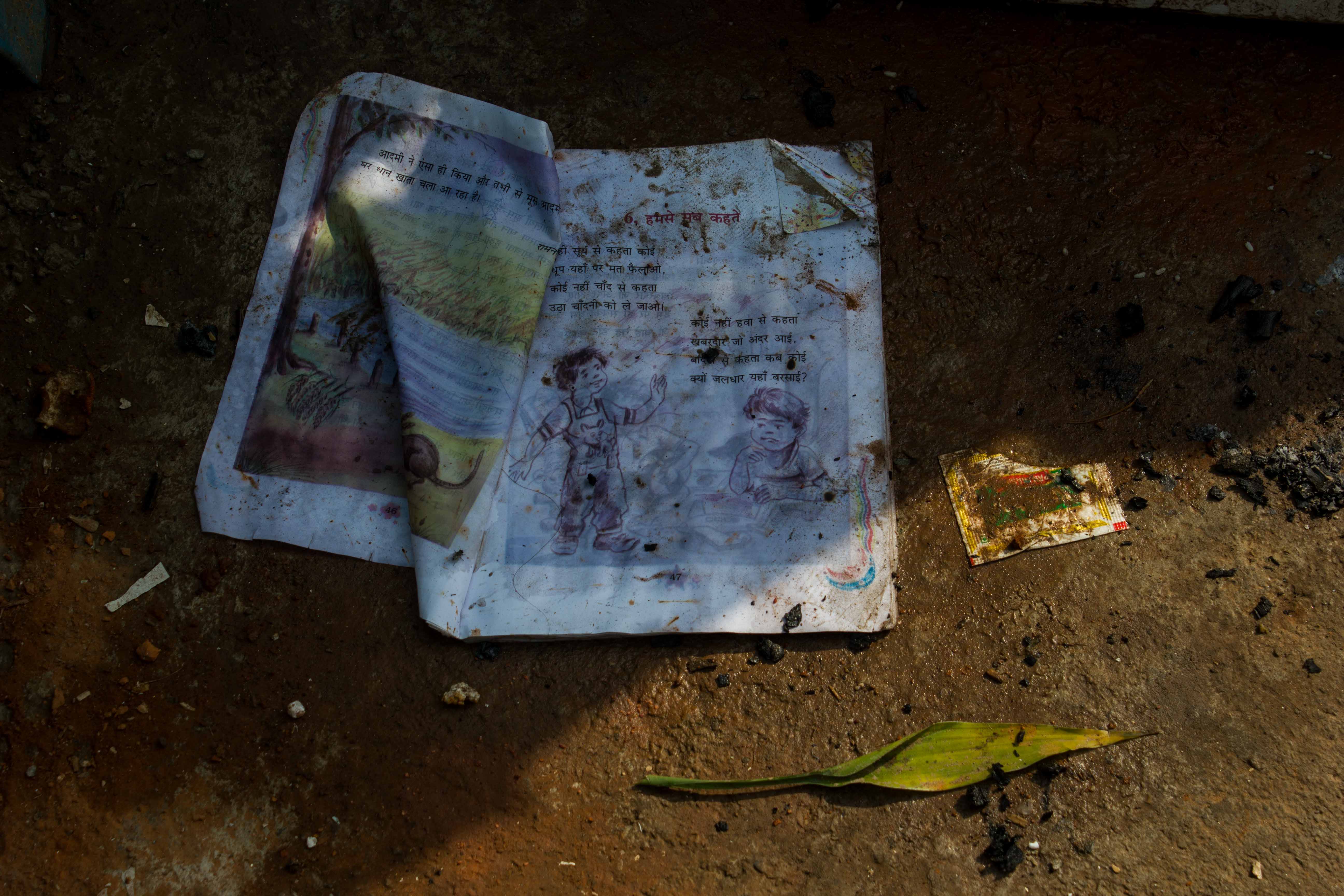
The situation was worse during the bitterly cold winter nights followed by hailstorms a couple of days later as each one of them continued to suffer without any access to amenities, especially the women and children. Moreover, they are exposed to routine threats by the police leading to a far bigger threat of permanent eviction from their current place of refuge. When a few student activists from the North Campus of Delhi University conducted a Medical Camp along with a Distribution Drive in the affected area, a situation of food-riot was induced. This happens to be a vivid indicator of the magnitude and intensity of the crisis they are facing and at the same time an unfortunate and grave but clear imagery of the structural inequality prevailing in India. The children who used to go to a nearby government school have also lost their easy access as the space connecting their settlement to their school is presently under railway construction.
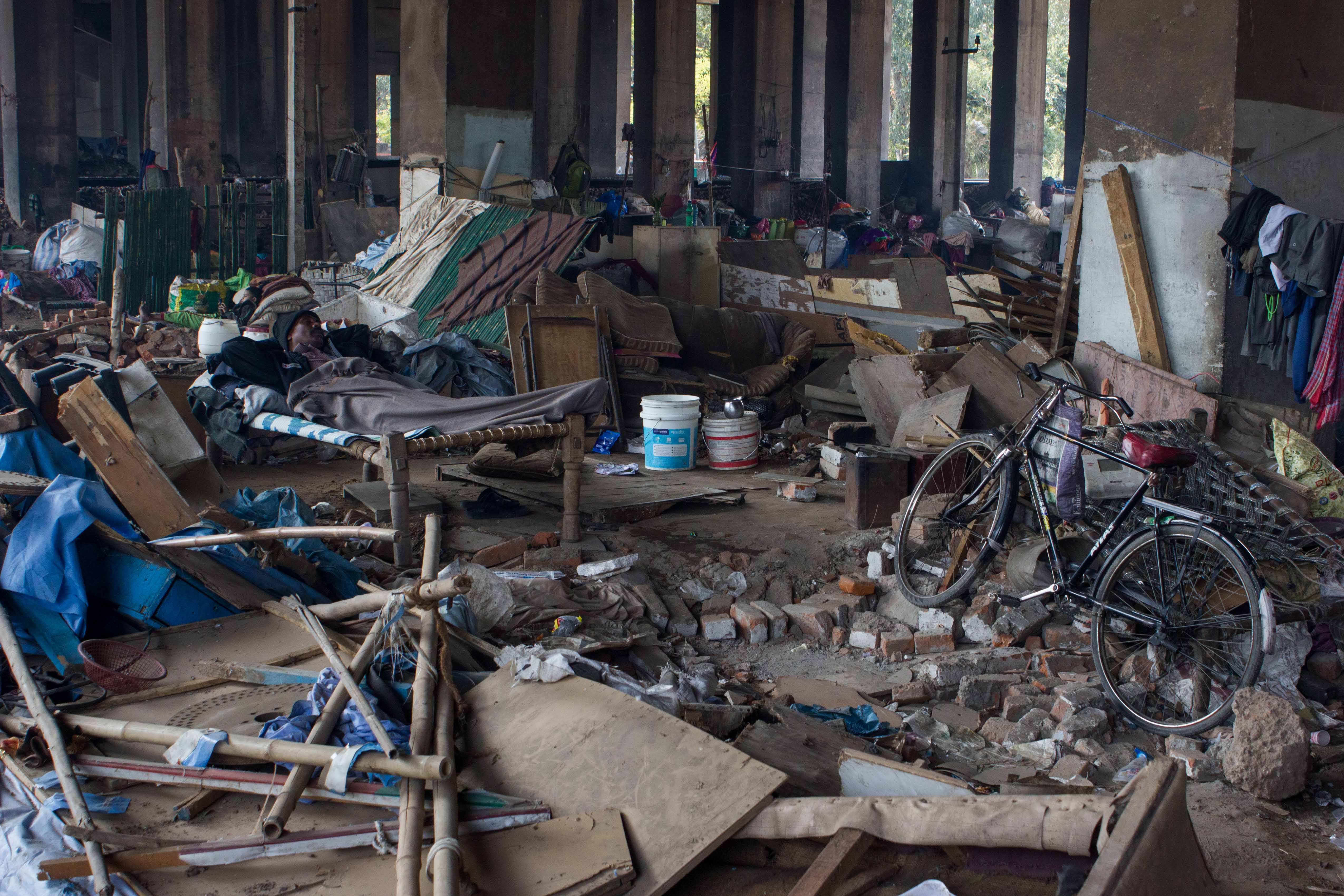
The Government has been reluctant to address their issues for a very long time which is not justifiable at any cost. So far, there has been no initiative by the Government of our ‘NRI’ Prime Minister to resettle them and provide them with their basic needs at the earliest. ‘Mass’ Media has also showed least interest to cover the entire incident in order to hide the blood under the carpet spread by the authorities. It is also possible that this jhuggi stands as a symbol for the thousands and thousands of slums which India has despite the massive projects undertaken and funds sanctioned (which however lose their way during the process of implementation) for their development.

However, we cannot and must not evade our responsibility towards them being students and responsible citizens of this 72 years old independent country when we realize that it is their money, their blood and sweat with which we are studying in various government institutions at subsidized rates, enjoying the flyovers to avoid traffic, and ignoring them residing below in their own grief and agony! Let this be the time we give something back to them, to the society and its people who need us more than anything else in this world. Let us not fail and disappoint ourselves as students and as citizens.

Even if we cannot guide them to light, the least we can do is to promise them that they will not face the dark alone. There lies the need to solidarize with the ‘wretched of the earth’. Bring the Change. Be the Change.
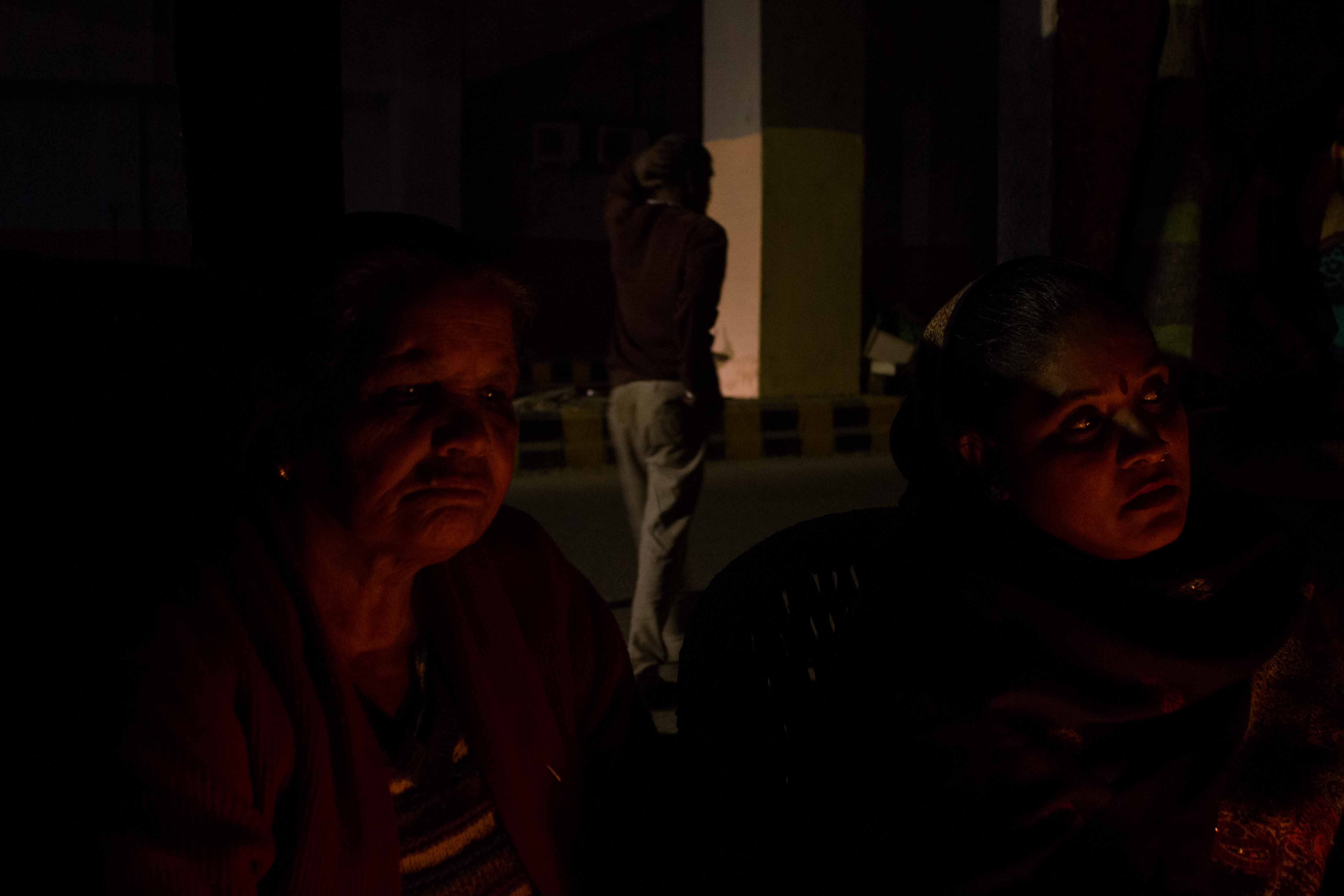
All photographs have been captured by Anjali Lohia. We are thankful to her for sharing them with us.
 Lokayata
Thanks a lot for writing about the people there who are facing gross injustices in their lives for no mistake of their own. I could see the ignorance of many people towards their plight during the collection drive. Hope more people will get to know about this and extend their helping hands.
LikeLike